Fleet Street front garden gardeners care and planting tips
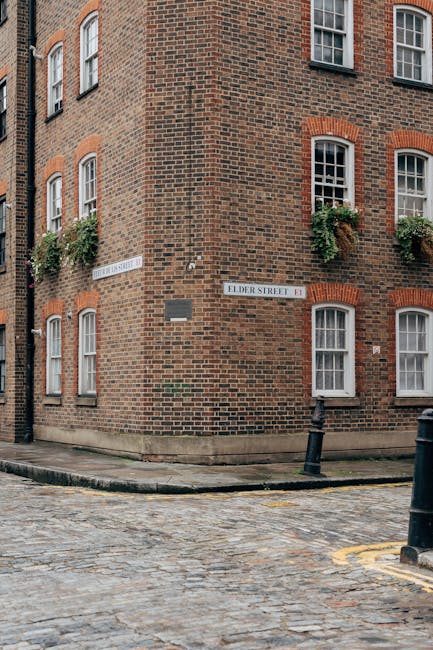
If you're trying to keep a front garden on Fleet Street looking sharp, welcoming, and actually alive through the week, you're not alone. Busy pavements, shade from tall buildings, dry soil, foot traffic, and the odd blast of city wind can make even a small planting scheme feel like hard work. That's exactly where Fleet Street front garden gardeners care and planting tips come in: the right planting choices, a realistic maintenance rhythm, and a few thoughtful design decisions that keep the space looking good without becoming a burden.
In this guide, we'll walk through what matters most for a street-facing garden in central London, how to choose plants that hold their shape, and how to care for them through the seasons. You'll also find a practical checklist, a comparison table, and a few grounded examples from real-world front garden situations. Nothing fluffy. Just useful, steady advice that helps a small space feel polished rather than fussy.
Why Fleet Street front garden gardeners care and planting tips Matters
Front gardens are not just decorative. On a street like Fleet Street, they set the tone before anyone reaches the front door. A neat, healthy planting scheme can make a compact property feel cared for, private, and calm, even when the surroundings are busy. A tired or overgrown front space, on the other hand, sends the opposite message in about two seconds. Harsh, but true.
Fleet Street also has its own challenges. Central London gardens often deal with reflected heat, narrow beds, patchy light, compacted soil, and more dust than you'd expect. Plants that thrive in a suburban back garden may sulk here. That is why localised care matters. The planting plan has to work with the environment, not against it.
Another reason it matters is balance. A front garden should look attractive from the street, but it also has to be practical for access, maintenance, and visibility. In our experience, the best front gardens are the ones that look effortless because someone planned them properly. Effortless is rarely effortless, of course.
If you're considering a broader tidy-up, it can help to think beyond planting alone. Services like regular garden maintenance or professional gardening services can support the ongoing work, especially in tight urban spaces where weeds, pruning, and seasonal refreshes add up quickly.
How Fleet Street front garden gardeners care and planting tips Works
The process is simple in principle, but it works best when each part supports the next. First, you assess the site properly. That means checking sunlight, drainage, soil condition, exposure to wind, and how much space you really have once bins, paths, railings, and access are taken into account. People often skip this bit and jump straight to plant shopping. Tempting, yes. Wise, not always.
Next comes plant selection. For front gardens, especially in urban settings, the aim is usually structure first, colour second, and maintenance third. That doesn't mean the space has to be boring. It means choosing plants with reliable form and manageable growth habits. Evergreen shrubs, tough perennials, compact grasses, and selective climbers often perform well because they keep the garden looking full across the year.
Then comes the care routine. Front garden planting needs consistent watering during establishment, light but regular feeding if the soil is poor, timely pruning, and a firm grip on weeds before they establish themselves. For compact beds, a small lapse can look bigger than it is. One rogue weed in a front border can somehow look like a declaration of war.
Finally, the look has to be maintained. Street-facing spaces benefit from repeated, light touch-up work rather than heavy infrequent interventions. Think of it as grooming rather than renovating. That approach usually keeps the garden sharper and reduces the risk of plant stress.
Key Benefits and Practical Advantages
Good front garden care does more than improve appearances. It makes the whole property feel calmer and more intentional. A well-kept planting scheme can soften hard paving, frame the entrance, and create privacy without blocking light completely. That matters a lot in busy parts of London where the outside world is always quite close, if you know what I mean.
There are also practical gains:
- Better curb appeal: A tidy, balanced front garden improves first impressions instantly.
- Lower long-term upkeep: The right plants need less correction work later.
- Improved biodiversity: Even a small bed can support pollinators and insects.
- More privacy: Carefully placed shrubs or climbers help screen the street naturally.
- Year-round structure: Evergreens and architectural planting stop the space looking bare in winter.
- Safer access: Sensible plant placement keeps paths clear and reduces trip hazards.
A lot of homeowners also appreciate the emotional side. A front garden is the first thing you see when you arrive home. If it looks organised and alive, the whole property feels more welcoming. Small thing, maybe. But it adds up every single day.
For more inspiration on resilient planting styles, you might also browse ideas like ground cover plants for compact gardens or fast-growing hedges for a private feel when you need a little screening without turning the entrance into a jungle.
Who This Is For and When It Makes Sense
This topic is for anyone responsible for a front garden on or near Fleet Street who wants it to look presentable without constantly battling it. That includes homeowners, landlords, managing agents, and businesses with a street-facing planting area. It also suits people who inherited a garden that is slightly awkward, slightly tired, and slightly full of regrets. We've all seen those spaces.
It makes sense if you want one or more of the following:
- a better-looking entrance
- lower maintenance than a high-flower, high-fuss design
- plants that can handle urban conditions
- more privacy from passers-by
- seasonal structure without constant replanting
It also makes sense if the front garden is underperforming. Maybe the soil is poor. Maybe there's too much shade from nearby buildings. Maybe the layout feels cluttered. Maybe it looked fine in spring and then gave up by August. Very common, to be fair.
In those cases, a simple redesign backed by regular care usually works better than trying to force an unsuitable planting scheme to behave.
Step-by-Step Guidance
Here's a practical way to approach front garden planting and care without overcomplicating the job.
- Start with a site audit. Note sun, shade, drainage, wind, and how much foot traffic the area gets. If the soil is hard and dry, dig a little deeper and check whether it's compacted or full of rubble.
- Decide the job of the garden. Is it mainly decorative, screening, low maintenance, pollinator-friendly, or a mix of everything? The answer shapes the planting list.
- Choose a plant structure. Use one or two evergreen anchors, then layer in smaller seasonal plants. This keeps the space steady through winter.
- Prepare the soil properly. Loosen compacted ground, remove weeds, and add organic matter where needed. If you skip this, the plants usually complain later.
- Plant with mature size in mind. A small shrub may look harmless now, but if it will overwhelm the bed in eighteen months, it's the wrong choice.
- Mulch lightly. Organic mulch helps reduce weed growth and slows moisture loss. Keep it away from stems and trunks.
- Water deeply while plants establish. Frequent shallow watering can encourage weak roots. Deep watering is usually better.
- Prune and tidy little and often. In front gardens, neatness matters. Trim before plants start spilling into paths or hiding entrances.
- Review the design after a full season. What thrived? What sulked? What looked better in theory than in reality? Adjust rather than insisting.
A useful habit is to take a photo every month. It sounds odd, but it helps you spot patterns. You notice where plants lean, where the light changes, and where the garden starts to lose shape. One glance on a rainy Tuesday in November tells you more than a memory ever will.
Expert Tips for Better Results
The best planting advice for a Fleet Street front garden is usually about restraint. Not everything needs to be in flower. Not every gap needs filling. A few well-chosen plants with strong outlines will often do more for the space than a crowded border packed with weak performers.
Use layers, not clutter. A front garden reads better when tall, medium, and low plants each have a job. For example, a compact evergreen near the entrance, a couple of reliable perennials in the middle, and a low ground cover at the edge can create a much tidier result than a mix-and-match plant jumble.
Think about the building as part of the design. Brick, stone, railings, and the colour of the facade all matter. Warm-toned planting works beautifully against many London frontages. Cool greens and silver foliage can also soften darker entrances. A garden should not fight the architecture. It should flatter it.
Be careful with climbers. Climbers are brilliant in narrow front gardens, but they need support and regular control. If you want more ideas, the guide on evergreen climbers for shade is a helpful starting point, and it is worth understanding how they behave before planting them near walls or fences.
Stay ahead of weeds and self-seeders. A small front bed can go from neat to messy in a surprisingly short time. A quick weekly check is usually enough. If weeds have already taken hold, you may need a more structured approach. The advice in these weed control tips is particularly useful for keeping borders clean without overreliance on chemicals.
Prepare for weather swings. London can be mild one week and annoying the next. Wind, frost, and sudden dry spells all affect front gardens. That's why winter prep matters too. A compact planting area benefits from the kind of planning discussed in winter garden protection guidance and broader weather advice such as harsh weather garden protection.
Use maintenance-friendly species where possible. If you don't want constant trimming, avoid plants that outgrow their space quickly. For a lower-fuss approach, look at the ideas in budget-friendly low-maintenance garden ideas and adapt them to a front garden format.
Common Mistakes to Avoid
Front gardens tend to fail for predictable reasons, and once you know them, you can dodge most of the hassle.
- Choosing plants that are too large: It's easy to underestimate eventual spread. A plant that looks neat in a pot may become a problem in a narrow bed.
- Overfilling the space: Too many species create visual noise and make maintenance awkward.
- Ignoring drainage: Urban soils can be compacted and thirsty, or wet in the wrong places. Both are awkward.
- Using thirsty plants in exposed spots: They will need more watering than is practical.
- Skipping pruning: Front gardens need structure. Letting everything grow freely rarely looks intentional.
- Forgetting the winter view: A garden that only looks good in June is not enough for a street-facing space.
- Blocking access: Beautiful planting that crowds a path quickly becomes a nuisance.
One of the biggest mistakes is designing for the idea of a garden rather than the reality of it. It sounds a bit philosophical, but it's just truth. If the garden gets full sun only in the morning, don't choose plants that need bright afternoon light. If the bed is shallow, don't ask deep-rooted shrubs to be comfortable there. They won't be.
And yes, there's the classic overwatering problem. New plantings need water, absolutely, but soggy roots are no one's friend. A lot of people mean well and end up doing too much. It happens.
Tools, Resources and Recommendations
You do not need a van full of kit to keep a front garden in good shape. The right handful of tools is usually enough.
| Item | Best use | Why it helps |
|---|---|---|
| Hand trowel | Planting and small repairs | Perfect for compact borders and tight spaces |
| Secateurs | Pruning stems and deadheading | Keep plants neat without damaging growth |
| Fork or hand cultivator | Loosening soil | Useful where soil is compressed |
| Watering can or hose with control | Targeted watering | Helps avoid waste and overwatering |
| Garden gloves | General care | Protects hands during regular maintenance |
| Mulch or compost | Soil improvement | Supports moisture retention and soil health |
If you're building a planting plan from scratch, it also helps to look at related topics before you commit. The article on container gardening basics is useful if your front space includes pots or planters. Likewise, vertical gardening ideas can be a smart solution where horizontal space is limited.
For households with pets, the article on gardening with dogs may also be worth reading if your front and back spaces share access or planting choices.
If your front garden includes hedging or boundary structure, hedge trimming and shape and trimming techniques are also relevant. A good trim can change the whole feel of the frontage. Strange how much difference a clean line makes, really.
Law, Compliance, Standards, or Best Practice
For a front garden, the main practical considerations are usually safety, access, and responsible maintenance rather than heavy regulation. Still, it's wise to follow sound UK gardening best practice. That means keeping paths clear, avoiding plant overhang that obstructs access, and making sure any work does not create a hazard for residents or passers-by.
If your front garden borders a public pavement or shared access, think carefully about how far planting extends. Soft growth should never make footpaths awkward or reduce visibility at entrances. That is not just tidy; it is sensible. If you use tools, chemicals, or ladders, safe handling matters too. You can read more about the approach taken on insurance and safety and the company's health and safety policy.
If you're hiring help, it's also reasonable to expect clear terms, transparent pricing, and a simple complaints process. Those aren't flashy extras. They're part of professional service. You can review the relevant pages on pricing and quotes, terms and conditions, payment and security, and the complaints procedure if you want to understand how a project is handled from start to finish.
There's also value in checking broader business standards and accountability. Pages like about us, privacy policy, cookie policy, accessibility statement, and modern slavery statement show the kind of operational transparency that many customers expect now.
Options, Methods, or Comparison Table
Not every front garden needs the same approach. Some do best with structured evergreens, others with soft planting, and some simply need a better maintenance rhythm. Here's a straightforward comparison.
| Approach | Best for | Pros | Trade-offs |
|---|---|---|---|
| Evergreen structure planting | Year-round neatness | Reliable, tidy, low fuss | Can look static without seasonal accents |
| Mixed perennial border | Colour and softness | More seasonal interest, better biodiversity | Needs more pruning and deadheading |
| Container-led frontage | Very small or awkward spaces | Flexible, easy to refresh | Needs watering more often |
| Climber-based screening | Privacy on narrow plots | Good use of vertical space | Requires regular training and support checks |
| Low-maintenance gravel and planting mix | Busy owners | Cleaner look, less weeding | Can feel sparse if not styled carefully |
For many Fleet Street properties, the best answer is a hybrid. A little structure, a little softness, and a maintenance plan that matches how often someone is actually available to care for it. That's the real secret, if we're being honest.
If you're still refining the scheme, ideas from herb garden planning and inviting garden seating areas can also spark useful layout thinking, even if your final space remains front-facing and compact.
Case Study or Real-World Example
Imagine a narrow Fleet Street front garden with a shaded entrance, tired soil, and a couple of overgrown shrubs that once looked elegant but now seem to be making a run for it. The owner wants a neater appearance, year-round greenery, and a planting plan that does not require constant intervention. Pretty common brief, actually.
The solution would usually start with a reset: remove congested growth, improve the soil, and simplify the layout. A pair of evergreen anchor plants could frame the entrance, while low ground cover softens the edge of the bed. A climber on a wall or fence could add height without taking up ground space. Then a few seasonal plants introduce colour, but only in a controlled way. Not a flower riot. Just enough life.
Maintenance would then follow a light-touch pattern: water through the establishment period, prune lightly every few weeks, weed before problems build, and refresh mulch at the right time of year. If the frontage is exposed, wind protection and winter care also matter. These are the unglamorous bits. They are also the bits that keep the garden looking good in February, which is where real value shows up.
For older or neglected spaces, a full reset may be the smartest route. The guide on revitalising a neglected garden is a useful complement here, especially if the front area has been left alone for a while and needs a cleaner starting point.
Practical Checklist
Use this quick checklist before planting or after a refresh.
- Check sunlight and shade at different times of day
- Inspect soil for compaction, rubble, or poor drainage
- Decide whether the garden needs structure, privacy, colour, or all three
- Choose plants suited to urban conditions
- Avoid species that will outgrow the available space
- Keep paths and entrances clear
- Mulch lightly to suppress weeds and retain moisture
- Water deeply during the establishment phase
- Trim regularly so the frontage stays crisp
- Review the planting after one full season and adjust if needed
Quick expert summary: The most successful Fleet Street front gardens are usually not the busiest or most colourful. They are the most considered. A small number of plants, chosen properly and cared for consistently, will always beat a crowded border that needs rescuing every month.
Conclusion
Fleet Street front gardens work best when they're treated as living entrances, not afterthoughts. The right planting plan can soften a hard urban frontage, improve privacy, and make the whole property feel calmer and more polished. Add sensible care, regular pruning, and a realistic maintenance rhythm, and even a compact space can stay attractive through the year.
The main lesson is simple: plant for the conditions you actually have, not the ones you wish you had. That one decision saves a lot of disappointment later. And in a street-facing garden, a little discipline goes a long way. A neat border, a healthy shrub, and a few well-placed seasonal touches can feel surprisingly powerful.
If your front garden needs a steadier hand, professional help can make the process smoother from planning through to ongoing care. Get a free quote today and see how much you can save.
Sometimes the best gardens are the quiet ones that simply do their job beautifully, day after day.
Frequently Asked Questions
What plants are best for a Fleet Street front garden?
The best plants are usually compact evergreens, hardy perennials, low ground cover, and climbers that can handle urban conditions. Look for varieties that keep their shape and don't need constant watering or pruning.
How often should a front garden be maintained?
For a street-facing garden, little and often is the best approach. A weekly check, plus seasonal pruning and occasional soil care, is usually enough to keep things tidy and healthy.
Can I use pots instead of borders in a small front garden?
Yes, pots can work very well in small or awkward spaces. They are flexible and easy to refresh, but they do need more regular watering than planted beds.
What is the biggest mistake people make with front garden planting?
The most common mistake is choosing plants that eventually grow too large for the space. What looks neat in spring can become unruly by midsummer if the plant sizes were guessed rather than checked.
How do I keep a front garden looking good in winter?
Use evergreen structure, tidy mulch, and plants that hold their form through colder months. A good winter garden should still look intentional, not empty.
Is a low-maintenance front garden still attractive?
Absolutely. In fact, many of the best front gardens are designed to be low-maintenance. The trick is choosing strong structural planting and avoiding overly delicate species.
Do front gardens in central London need special care?
They often do. Central London gardens may face shade, wind, compacted soil, and pollution dust, so plant choice and soil preparation matter more than in a typical suburban setting.
Should I remove all weeds before planting?
Yes, as much as possible. A clean start makes a huge difference, because weeds compete for water and nutrients and can quickly spoil a tidy frontage.
How do I make a front garden feel more private?
Use hedging, climbers, or taller structural plants in the right spots. Privacy works best when it feels layered rather than blocked off completely.
When is the best time to plant a front garden?
Autumn and spring are usually the most comfortable planting windows in the UK, because the soil is warmer or moister and plants can establish more easily. Weather, of course, still gets a vote.
Can I combine ornamental and practical planting?
Yes, and that often produces the best results. Many front gardens mix decorative shrubs with practical low maintenance planting or even a few herbs, as long as the layout stays tidy.
Where should I start if my front garden is neglected?
Start with a reset: clear weeds, remove weak or overgrown plants, improve the soil, and decide on a simple structure first. Once the bones are right, planting choices become much easier.