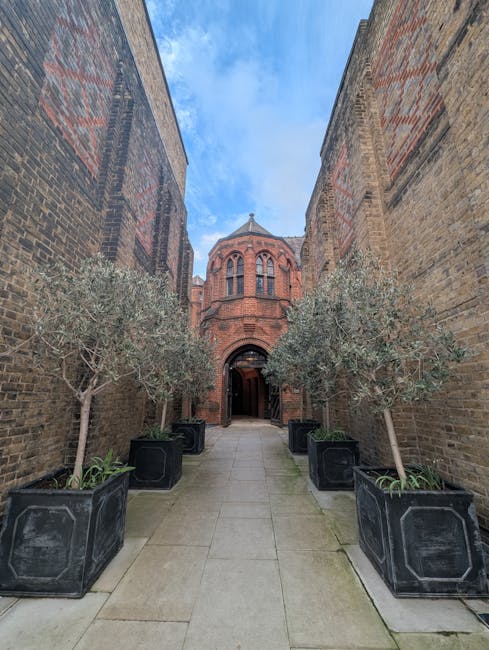
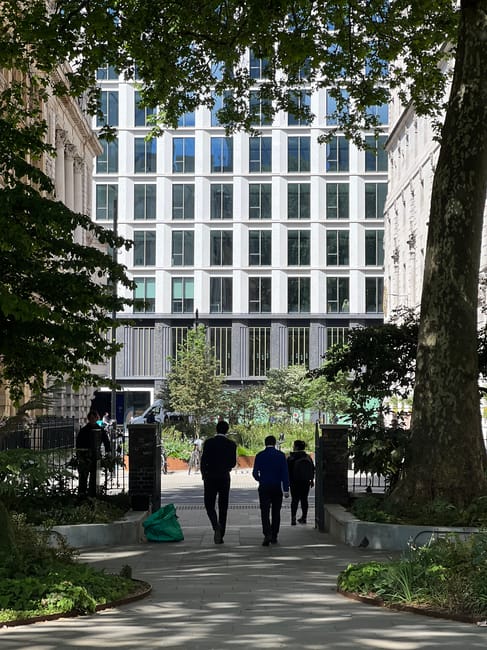
Blackfriars gardeners guide for courtyard maintenance EC4
If you manage a courtyard in Blackfriars, you already know the challenge: a small space can look immaculate one week and tired the next. Shade from surrounding buildings, wind tunnels between walls, compacted soil, slippery paving, and a few determined weeds can turn a neat courtyard into a constant job. This Blackfriars gardeners guide for courtyard maintenance EC4 is here to make that job feel manageable, practical, and a bit less nagging.
Whether your courtyard is a private residential retreat, a communal ground-floor space, or a business entrance that needs to look sharp every day, the basics are the same. Keep surfaces safe, plants healthy, drainage moving, and the whole place visually tidy. Easy to say. Not always easy to keep up, to be fair.
In the sections below, you will find a clear maintenance framework, seasonal priorities, common mistakes, tool suggestions, and a realistic checklist you can actually use. If you are looking for broader support, our garden maintenance services and patio cleaning page may also be useful, especially for hard-landscaped courtyards that need regular care.
Table of Contents
- Why Blackfriars gardeners guide for courtyard maintenance EC4 matters
- How Blackfriars gardeners guide for courtyard maintenance EC4 works
- Key benefits and practical advantages
- Who this is for and when it makes sense
- Step-by-step guidance
- Expert tips for better results
- Common mistakes to avoid
- Tools, resources and recommendations
- Law, compliance, standards, or best practice
- Options, methods, or comparison table
- Case study or real-world example
- Practical checklist
- Conclusion
- Frequently asked questions
Why Blackfriars gardeners guide for courtyard maintenance EC4 Matters
Courtyards in EC4 are not like open suburban gardens. They are usually more enclosed, more shaded, and more exposed to hard surfaces than soft planting. That changes everything. Water sits differently. Moss builds up faster. Leaves gather in corners where a light breeze cannot reach. A tiny failure in drainage can become a bigger problem than people expect.
In Blackfriars, courtyards also tend to sit within a busy urban rhythm. People walk through them, use them for seating, take calls there, or simply want them to look tidy from a kitchen window. If the space feels damp, cluttered, or overgrown, the whole property loses something. It is not just a garden issue; it is a presentation issue, and sometimes a safety issue too.
There is another layer here. Courtyard maintenance is about preserving the design, not just reacting to problems. A space with containers, raised beds, climbers, or decorative paving needs consistent attention so the hard and soft elements stay balanced. Let one side dominate and the courtyard starts to feel cramped or unloved.
That is why a specific local approach matters. A good Blackfriars gardeners guide for courtyard maintenance EC4 should account for shade, privacy, access limits, and the realities of London weather. A routine designed for large lawns simply will not translate well here.
How Blackfriars gardeners guide for courtyard maintenance EC4 Works
The practical idea is simple: divide the courtyard into manageable maintenance zones and care for each one on a repeating schedule. That might sound almost too basic, but honestly, this is where most successful courtyard upkeep starts. When everything is treated as one vague outdoor area, jobs get missed.
A working maintenance system usually includes five parts:
- Surface care for paving, decking, steps, and edges
- Plant care for containers, borders, climbers, and shade-loving plants
- Drainage checks to stop water from pooling or backing up
- Weed and moss control to prevent slip hazards and visual decline
- Seasonal refreshes to keep the space looking intentional rather than merely survived
The maintenance rhythm depends on how the courtyard is used. A quiet private courtyard may only need weekly touch-ups and seasonal pruning. A communal or high-traffic space may need more frequent cleaning and closer inspection. A seating area under a tree, for instance, will need different attention from a minimal zen-style courtyard with gravel, pots, and a single feature plant.
We also find that access affects the work as much as the garden itself. Courtyards often have narrow gates, shared entrances, delicate finishes, or limited storage. So the maintenance approach should be efficient, quiet when necessary, and careful around neighbours. Not glamorous, maybe. But very real.
Key Benefits and Practical Advantages
Regular courtyard maintenance delivers more than a neat appearance. The benefits stack up quickly, especially in an EC4 setting where space is premium and every visual detail counts.
- Safer surfaces: fewer slippery patches from algae, moss, wet leaves, and loose debris
- Healthier planting: better airflow, fewer pests, and less stress on container plants
- Longer-lasting materials: paving, timber, planters, and edging degrade more slowly when maintained properly
- Better use of space: a clear courtyard feels larger and more welcoming
- Less emergency work: regular care prevents small issues becoming expensive repairs
- Stronger curb appeal: useful for homes, offices, hospitality spaces, and managed buildings
There is also a quieter benefit that people often notice after the fact: the space becomes easier to enjoy. A small courtyard with a clean path, a healthy climber, and a couple of well-chosen containers can feel almost meditative. Not a show garden, necessarily. Just calm.
If you are trying to keep maintenance low without making the space feel bare, our guide to budget-friendly low-maintenance garden ideas offers some useful design thinking for compact outdoor areas.
Who This Is For and When It Makes Sense
This guide is relevant if you manage or live with any courtyard that needs regular, practical care. That includes the obvious cases, but also a few less obvious ones.
- Homeowners who want a tidy outdoor room with minimal fuss
- Landlords and property managers who need the courtyard to stay presentable between tenancies or inspections
- Businesses using a courtyard as a breakout space, customer area, or visual feature
- Shared buildings where residents need a fair, routine maintenance plan
- New homeowners who have inherited a courtyard and are not quite sure where to start
- Busy professionals who want the space maintained properly without spending their weekends wrestling with weeds
It also makes sense when a courtyard has specific challenges: too much shade, wind bounce, poor drainage, recurring weed growth, or a plant palette that is fine in spring but falls apart by mid-autumn. That last one is very common, by the way.
For people starting from scratch, these beginner gardening tips can help build a simple foundation before the bigger maintenance routine kicks in.
Step-by-Step Guidance
A good courtyard routine is not about doing everything at once. It is about repeating the right jobs often enough that the space never gets out of hand.
1. Start with a full visual sweep
Walk the courtyard slowly and look at it from different angles. Check the corners, the base of walls, under benches, around drain covers, and behind planters. You are looking for leaf build-up, moss, split pots, leaning containers, algae marks, and any plant that is starting to dominate its space.
This first sweep gives you a sense of urgency. Some jobs are cosmetic. Others are warning signs. A blocked gully, for example, should never sit on the "we'll deal with it later" list.
2. Clear loose debris first
Remove leaves, twigs, old mulch, spent flowers, and any rubbish that has blown in. In a courtyard, debris tends to collect in a few predictable places. A soft broom, leaf grabber, or compact blower can be enough, depending on the surface and the neighbours around you.
Clearing debris early makes every other job easier. You can see surfaces properly, spot slipping risks, and avoid dragging dirt across clean paving later.
3. Tackle weeds before they settle in
Weeds in courtyards often appear in joints, cracks, planter edges, and gravel. Remove them before they seed. For persistent problems, a planned approach to weed control is more effective than random pulling whenever you notice one. If you want a deeper look at this, our article on essential weed control covers the sort of practical detail that saves time later.
Be careful with aggressive methods near delicate finishes. In a small paved space, overzealous scraping can damage pointing or loosen the surface. Gentle and consistent usually wins.
4. Check drainage and standing water
Courtyards live or die by drainage. If water pools after rainfall, or if a corner stays damp for days, the rest of the maintenance plan will keep fighting that problem. Look for clogged channels, soil washout from pots, and areas where paving may have settled unevenly.
Sometimes the fix is simple. A container needs raising. A drain needs clearing. Sometimes it is a bit more involved, and that is where a proper site assessment matters.
5. Prune, trim, and thin where needed
Remove dead stems, cut back overgrown growth, and thin congested plants so air can move. In a courtyard, plant density matters much more than in larger gardens. Too much foliage traps moisture and can make the whole area feel cramped.
If your courtyard has climbers or boundary growth, it may benefit from careful shaping rather than heavy cutting. For that kind of work, our Blackfriars hedge trimming page is a helpful related resource.
6. Refresh soil, mulch, or compost
Containers and compact beds lose vitality faster than open garden soil. Top up compost, refresh mulch, and replace exhausted growing medium where needed. This keeps water retention steadier and helps plants recover from the stress of urban exposure.
If you compost on-site or manage organic waste carefully, you may also find this guide to turning organic waste into fertile soil useful.
7. Clean hard surfaces properly
Finish by cleaning the paving, decking, or seating zones. The aim is not just shine; it is grip, safety, and a fresh visual finish. A courtyard can look tidy but still feel grimy underfoot. You know the feeling. A slightly dull film on stone, a patch of algae near the drain, that sort of thing.
For timber areas, careful cleaning matters even more. If your courtyard includes a decked section, regular upkeep is worth coordinating with decking services so the finish and structure both stay in good shape.
Expert Tips for Better Results
After working on enough compact urban spaces, a few patterns become obvious. The courtyards that stay pleasant are not necessarily the fanciest ones. They are the ones with sensible routines and a few smart choices.
- Choose plants for the light you actually have. Courtyards often look brighter in photos than they are in real life.
- Use containers with proper drainage holes. Decorative pots without drainage are a trap, frankly.
- Vary heights thoughtfully. A mix of low, mid, and vertical elements makes a small space feel layered without clutter.
- Keep one maintenance day each month for deeper tasks. That is usually enough to reset the space before problems pile up.
- Do not overplant. In small spaces, restraint is often the cleverest design move.
- Think about wind as well as shade. Blackfriars courtyards can be still one day and oddly gusty the next.
One small but useful trick: place your most visible containers where you naturally pass them every day. If you see them often, you water, deadhead, and notice problems sooner. It sounds almost too simple. Works, though.
If you are choosing plants for those awkward courtyard edges, ground cover planting ideas can help soften bare patches, while shade-tolerant evergreen climbers are often ideal for vertical interest in enclosed spaces.
Common Mistakes to Avoid
A lot of courtyard headaches come from well-meant decisions. The good news is that most of them are avoidable once you know what to watch for.
- Ignoring drainage until water becomes a visible problem
- Using too many plant varieties so the space feels busy and harder to maintain
- Choosing sun-loving plants for a shaded courtyard and then wondering why they struggle
- Allowing climbers to attach directly to weak surfaces without checking support first
- Letting moss and algae linger on paving and steps
- Overfeeding container plants in the hope that more feed means better growth; it does not always
- Skipping seasonal clean-downs because the courtyard "still looks fine"
One mistake that deserves its own mention is letting ivy or other aggressive climbers spread unchecked. Ivy can look picturesque for about five minutes, then suddenly it is everywhere. If that sounds familiar, this natural ivy removal guide is worth a read.
Tools, Resources and Recommendations
You do not need a huge toolkit to maintain a courtyard properly. In fact, too many tools can become clutter in a small urban property. Better to have a concise kit that is used regularly than a shed full of things you never quite reach for.
| Tool or resource | Best use | Why it helps in a courtyard |
|---|---|---|
| Stiff hand brush | Debris and surface sweep-up | Quick clean between deeper maintenance visits |
| Hand trowel | Planting and weed removal | Useful where access is tight |
| Bypass secateurs | Pruning soft growth | Clean cuts reduce plant stress |
| Watering can or hose with controlled spray | Targeted watering | Prevents overwatering in pots |
| De-icing-safe surface cleaner or gentle patio treatment | Hard surface maintenance | Helps manage slippery build-up on paving |
| Container raisers or feet | Drainage improvement | Stops pots sitting in standing water |
| Quality compost | Soil refresh | Maintains vigour in confined planting zones |
For readers who want a broader introduction to practical tools, this tools guide is a sensible place to start. And if your courtyard is part of a bigger tidy-up, our gardening services overview can help you see what support is available.
Law, Compliance, Standards, or Best Practice
For courtyard maintenance in EC4, the main thing to keep in mind is not a single dramatic law, but a cluster of practical responsibilities. If the space is shared, accessed by staff or residents, or maintained by contractors, then safety, access, and routine care all matter.
Good practice typically includes:
- Keeping walkways clear so people are not stepping around tools, pots, or cuttings
- Managing trip and slip risks from moss, wet leaves, loose edging, and unstable containers
- Using equipment responsibly and storing it safely between visits
- Being considerate with noise and access in shared buildings or tightly packed streets
- Checking any building or lease requirements before making structural or planting changes
If contractors are involved, it is sensible to ask about insurance, method statements, and whether work is carried out with a clear health-and-safety process. Our insurance and safety and health and safety policy pages explain the sort of standards people should expect. For service terms, the terms and conditions and payment and security pages are also worth checking.
There is also a practical accessibility angle. If the courtyard is used by older residents, wheelchair users, or visitors with limited mobility, surface level changes, loose gravel, and narrow routes need special care. A beautiful courtyard that is awkward to move through is, well, not really finished.
Options, Methods, or Comparison Table
Not every courtyard should be maintained in exactly the same way. The right method depends on how the space is used and what problems it has. Here is a simple comparison that may help.
| Method | Best for | Advantages | Limitations |
|---|---|---|---|
| Weekly light maintenance | Small, tidy courtyards with low foot traffic | Prevents build-up and keeps the space looking cared for | Can miss deeper drainage or plant issues if used alone |
| Monthly deeper maintenance | Most private courtyards and mixed-use spaces | Balances efficiency with good long-term control | Requires discipline to stay on schedule |
| Seasonal reset | Courtyards with plant-heavy design or heavy leaf fall | Helps refresh the whole space and catch structural issues | May not be enough on its own for high-traffic settings |
| Professional maintenance plan | Shared buildings, businesses, or premium courtyards | Reliable, consistent, and good for presentation standards | Higher ongoing cost than occasional DIY care |
If your courtyard also includes boundaries, screening, or taller planting, it may be worth looking at fencing options or landscaping support as part of the bigger picture. Sometimes the courtyard problem is not really a plant problem at all; it is a layout problem wearing a plant costume.
Case Study or Real-World Example
Here is a realistic example from the kind of courtyard many EC4 property owners recognise. A narrow paved space behind a period building had three large containers, a bench, a climbing plant on one wall, and a drain that collected leaf litter every autumn. The owners kept cleaning the visible area, but the courtyard still felt damp and slightly neglected by midweek.
The fix was not dramatic. First, the drainage point was cleared and monitored. Then the oversized containers were lifted onto feet so water could escape properly. One container was replaced with a more compact planting scheme using shade-tolerant structure and seasonal colour. The climber was pruned back lightly rather than hacked at. Finally, a simple weekly sweep and a monthly deeper clean were set in place.
The result was not just a prettier courtyard. It became usable again. People sat there at lunchtime without feeling they were in a damp corner. The surfaces stayed cleaner for longer, and the planting looked intentional instead of merely surviving. That is usually the win, really: not perfection, just a space that feels calm and cared for.
If the courtyard in question had become badly overgrown before the reset, a refresh like the ideas in revitalising a neglected garden would have been a helpful starting point.
Practical Checklist
Use this checklist for a straightforward courtyard maintenance round. Keep it handy. It saves thinking time.
- Remove leaves, litter, and loose debris from all corners
- Check drains, gullies, and any obvious pooling areas
- Pull or cut back weeds from paving joints and pot edges
- Inspect containers for cracks, instability, or blocked drainage holes
- Water plants only as needed, especially in shaded courtyards
- Deadhead tired flowers and remove damaged foliage
- Lightly prune overgrowth that blocks paths or reduces airflow
- Clean moss, algae, or staining from hard surfaces safely
- Check seating, railings, and edges for wear or looseness
- Top up compost or mulch where the soil has dropped or dried out
- Review whether the space feels balanced, open, and easy to use
Expert summary: the best courtyard maintenance in Blackfriars is consistent, not complicated. Focus on drainage, clean surfaces, plant restraint, and a simple schedule. Do that well, and even a very small EC4 courtyard can feel far more welcoming than its size suggests.
Get a free quote today and see how much you can save.
Conclusion
A well-kept courtyard in Blackfriars is a small thing that makes a big difference. It can change the feel of a building, soften a busy city backdrop, and create a space people actually want to use. The trick is not to chase some impossible ideal. It is to maintain the basics with enough care and consistency that problems never get a foothold.
That means watching drainage, keeping surfaces safe, pruning with restraint, and choosing planting that fits the reality of EC4 rather than an imaginary sunny garden somewhere else. Do that, and the courtyard starts to work with you instead of against you. A much nicer way to live, honestly.
If you are ready to turn a tired or high-maintenance courtyard into something calmer and easier to manage, get in touch through our contact page or learn more about the team on our about us page. The right routine can make a small space feel a lot bigger.
Frequently Asked Questions
How often should a courtyard in Blackfriars be maintained?
For most courtyards, a weekly light tidy and a monthly deeper maintenance session works well. High-traffic or shared spaces may need more frequent attention, especially in autumn and winter.
What makes courtyard maintenance different from regular garden maintenance?
Courtyards usually have more hard landscaping, less soil, tighter access, and more shade or wind. That means drainage, moss control, and surface cleaning are just as important as plant care.
What plants are best for a shaded EC4 courtyard?
Shade-tolerant plants, compact evergreens, climbers suited to partial shade, and some ground cover species tend to perform better. The key is matching planting to light levels rather than choosing plants by appearance alone.
How do I stop my courtyard paving from getting slippery?
Regular leaf removal, moss control, and safe surface cleaning are the main steps. Also check for poor drainage, because standing water almost always makes the problem worse.
Is container gardening a good option for courtyards?
Yes, very often. Containers are flexible, easy to rearrange, and ideal when soil space is limited. Just make sure they have drainage and are not overcrowded.
What is the biggest mistake people make with courtyard maintenance?
Waiting too long. Small spaces show problems quickly, and once weeds, moss, or poor drainage set in, it takes more effort to restore them.
Can courtyard maintenance be low maintenance and still look good?
Absolutely. The trick is to simplify the planting palette, keep edges clean, and choose materials that are easy to maintain. A well-edited courtyard often looks better than an overfilled one.
Do I need professional help for courtyard maintenance?
Not always, but professional help makes sense if access is difficult, the courtyard is shared, the surfaces are delicate, or there are ongoing drainage and overgrowth issues.
What should I ask before hiring a gardener for courtyard work?
Ask about experience with compact urban spaces, insurance, safety procedures, what is included in the service, and how frequently the courtyard should be maintained for best results.
How do I maintain privacy in a small courtyard?
Use carefully chosen screening, climbers, or tall containers without crowding the space. If the structure needs upgrading, a thoughtful landscaping plan can help create privacy without making the courtyard feel boxed in.
What should I do with a courtyard that has been neglected for years?
Start with clearance: debris, weeds, dead growth, and any obvious drainage issues. Then assess what can be saved, what needs replacing, and whether the space would benefit from a phased reset rather than one huge job.
How can I make a courtyard feel bigger without changing the layout?
Keep the number of plant types manageable, use vertical interest sparingly, and avoid clutter around the perimeter. Clean lines and clear walking space make a surprising difference in a small courtyard.