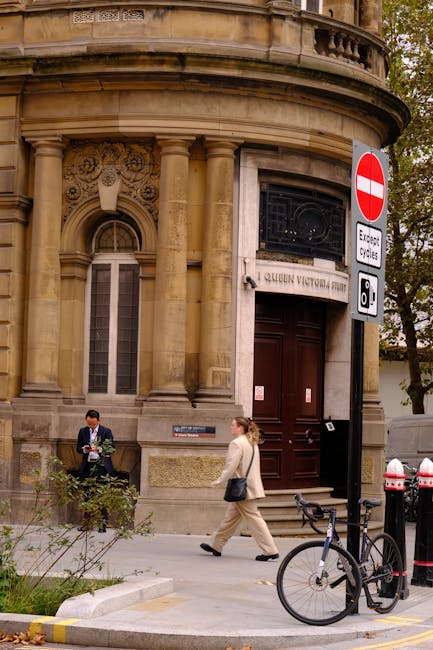
Queen Victoria Street tree and hedge gardeners EC4: a practical guide to tidy, healthy greenery in the City
If you live or work near Queen Victoria Street, you already know the pace of the area. Buildings sit close together, pavements stay busy, and greenery has to earn its keep. That is exactly where Queen Victoria Street tree and hedge gardeners EC4 come in. The right team can keep hedges sharp, trees healthy, and small planted spaces looking neat without turning maintenance into a monthly headache. Sounds simple, but in practice there is quite a lot going on behind the scenes.
Street-facing planting in EC4 has to cope with shade, reflected heat, wind funnels between tall buildings, limited access, and the occasional "we'll sort it later" problem that turns into a proper tangle. This guide breaks down what professional tree and hedge care usually involves, when it makes sense, what to watch out for, and how to make decisions that actually save time and money. If you want a practical local view rather than vague gardening talk, you are in the right place.
Table of Contents
- Why Queen Victoria Street tree and hedge gardeners EC4 matters
- How Queen Victoria Street tree and hedge gardeners EC4 works
- Key benefits and practical advantages
- Who this is for and when it makes sense
- Step-by-step guidance
- Expert tips for better results
- Common mistakes to avoid
- Tools, resources and recommendations
- Law, compliance, standards, or best practice
- Options, methods, or comparison table
- Case study or real-world example
- Practical checklist
- Conclusion
- Frequently asked questions
Why Queen Victoria Street tree and hedge gardeners EC4 Matters
Queen Victoria Street sits in the kind of environment where plant care is never just about looks. A hedge that grows a bit too wide can reduce light to an office frontage, make a narrow entrance feel cramped, or start brushing pedestrians where it really shouldn't. A small tree left unchecked can block sightlines, lean awkwardly into a path, or become stressed by compacted soil and limited rooting space. In short: neatness is part of safety, and safety is part of curb appeal.
That is why local gardeners who understand EC4 conditions matter. They are not just trimming for the sake of trimming. They are managing growth in a way that suits the street, the season, and the planting style. To be fair, many garden problems in central London are simply "space problems" wearing a different hat.
There is also the long game. Well-kept trees and hedges do more than look pleasant on a Tuesday morning. They soften hard architecture, support biodiversity, and make commercial or residential entrances feel more welcoming. When done badly, though, the result can be patchy regrowth, over-pruning, or plants that never really recover. And that is a shame, because good maintenance should make the planting stronger, not weaker.
If you are comparing broader outdoor support as well, it can help to look at routine garden maintenance alongside specific hedge care, or explore the wider gardening services available for more complex sites.
How Queen Victoria Street tree and hedge gardeners EC4 Works
The process usually starts with a site assessment. A good gardener or tree specialist will look at plant species, recent growth, access, sunlight, root spread, soil condition, and whether the hedge or tree is acting as a boundary, a screen, or a feature. That matters because the "right" cut depends on what the plant is trying to do in the space. A formal hedge beside a frontage is handled differently from a looser evergreen screen in a private courtyard.
From there, the work typically falls into a few practical stages:
- Inspection: check for dieback, pests, crossing branches, broken stems, and any hazards near walls, signage, or pedestrian routes.
- Planning: decide the trim line, the reduction needed, and whether the job is purely cosmetic or also corrective.
- Careful pruning or trimming: remove excess growth while keeping the plant's natural structure in mind.
- Clear-up: collect clippings, check paths and gutters, and make the site safe and presentable.
- Follow-up advice: recommend watering, feeding, mulching, or a return visit if the planting needs recovery time.
For trees, the approach can be more technical. Some trees need crown lifting, selective thinning, or deadwood removal rather than a blunt cut-back. If branches are too close to roofs, cables, windows, or loading areas, you may need support from specialists in tree surgery. In real life, the safest option is often the least dramatic-looking one. That surprises people sometimes.
Hedges are a little more forgiving, but only up to a point. A hedge that is trimmed regularly and lightly tends to stay dense. A hedge that is ignored for years can become bare at the base, woody in the middle, and awkward to correct. Once that happens, you are no longer doing a tidy-up; you are trying to rebuild structure.
Key Benefits and Practical Advantages
Working with local tree and hedge gardeners in EC4 brings a mix of visible and less visible benefits. Some are obvious the moment you walk past. Others only show up after a few weeks or months, which is often how the best garden work behaves.
- Cleaner street presence: tidy hedges frame entrances and make buildings feel cared for.
- Better plant health: proper pruning helps air flow, light penetration, and structured regrowth.
- Reduced trip and obstruction risk: overgrown growth near pavements, steps, and gates is handled before it becomes a nuisance.
- More predictable upkeep: regular trimming is easier to budget and plan than rescue work.
- Improved seasonal resilience: healthy trees and hedges usually tolerate wind, frost, and summer stress better.
- Greater privacy without chaos: a well-managed hedge gives screening while still looking intentional.
There is a practical bonus too: tidy growth makes future work faster. Once the shape is under control, each visit tends to be simpler and less disruptive. That matters in a place like EC4, where access windows can be tight and nobody wants a crew lingering too long outside a frontage at lunchtime.
If you are trying to solve a broader visibility or screening issue, the article on fast-growing hedges for a private oasis is useful for choosing the right planting strategy in the first place. Sometimes the best maintenance decision is actually a better plant choice.
Who This Is For and When It Makes Sense
This kind of service is useful for a wider range of people than you might expect. Yes, it obviously suits businesses with frontage planting or courtyard hedges. But it is just as relevant for residents with compact gardens, shared access spaces, or mature greenery that has started to outgrow its welcome.
You may need help if:
- your hedge is shading windows, signs, or paths
- branches are brushing masonry or hanging over boundary lines
- the base of the hedge is thinning out
- trees are showing deadwood or uneven growth
- wind exposure is making soft growth splay out and look untidy
- you want a cleaner look before visitors, tenants, or customers arrive
- you have not had a proper cut for more than a season or two
It also makes sense if you are trying to reduce maintenance over time. A smart, regular trim is usually easier than letting things run wild and then asking someone to "just neaten it up." That phrase. It sounds harmless, but every gardener knows it can hide a lot of work.
For some properties, a hedge is part of a bigger outdoor refresh. If the area around it feels tired as well, a return to basics can help. A clear plan from the fresh-start garden ideas article pairs well with local maintenance decisions and can stop the whole space feeling half-finished.
Step-by-Step Guidance
If you are arranging work or simply trying to understand what a good visit should involve, this step-by-step outline will help.
- Walk the site slowly. Look at the hedge or tree from every angle. Check the street side, the inner side, and the top. A plant can look fine from one direction and messy from another.
- Identify the goal. Is the aim shape, health, privacy, clearance, or all four? That answer guides the cut.
- Set realistic limits. Some plants tolerate reduction well; others should be trimmed modestly and left to recover. Over-cutting is a common mistake, and it can take ages to repair.
- Use the right tools. Clean blades, stable ladders, and proper protective gear matter more than people think.
- Trim in stages. Remove a little, check the shape, then continue. This avoids that over-symmetrical, boxy look that nobody asked for.
- Clear debris immediately. Leaves and twiggy cuttings left on paving quickly make a site look untidy again.
- Review after the cut. Step back and check balance, density, and whether anything now looks too exposed.
A small but useful detail: in busy EC4 locations, timing matters. Early mornings, quieter periods, and agreed access arrangements can make the whole job smoother. Not glamorous, but absolutely practical. And in the city, practical wins.
For gardens that include climbers, ground planting, or vertical greenery near hedges and walls, it can also help to think beyond a single cut. A living wall of sorts often needs linked care, which is where vertical gardening ideas can give you a broader perspective on structure and spacing.
Expert Tips for Better Results
Here is where experience really pays off. The difference between a tidy result and a genuinely good one often comes down to small choices.
- Trim for shape, not just size. A hedge can be "smaller" and still look awkward if the sides and top are out of balance.
- Respect nesting season and wildlife activity. If birds are active in a hedge, pause and assess carefully before cutting. Common sense goes a long way here.
- Do not expose old woody stems too suddenly. Some hedges cannot regenerate well from hard bare wood.
- Watch for water stress. Street-level planting in EC4 can dry out quickly, especially near reflective surfaces and sheltered corners.
- Choose pruning times with the plant in mind. Different species respond differently, and the "best" month is not identical for everything.
- Plan around the weather. Wet wood, frost, and strong wind can all make trimming less effective or less safe.
One especially useful habit is to photograph a hedge or tree before major work. Not for social media, obviously. It gives you a reference point and makes it easier to judge whether the finished shape is right. It also helps when you want to keep a consistent look from one season to the next.
If a hedge is meant to stay formal and crisp, the article on hedge trimming shapes and techniques offers a good sense of how shape decisions affect the whole garden. Slight adjustments can make a surprisingly big visual difference.
Common Mistakes to Avoid
Most hedge and tree problems in city gardens are not dramatic. They are usually the result of a few repeated habits that seem harmless at the time.
- Cutting too hard, too late. Plants can recover from stress, but not always quickly.
- Ignoring access issues. Tight alleyways, shared paths, and fragile surfaces need planning, not guesswork.
- Using blunt or dirty tools. Ragged cuts take longer to heal and look worse in the meantime.
- Letting hedges get wider every year. Once a hedge starts creeping outwards, the job gets harder each season.
- Forgetting the clean-up. A good trim with a poor tidy-up still feels unfinished.
- Assuming every tree can be treated the same way. Tree species vary a lot, and "one-size-fits-all" pruning is a bad idea.
Another common issue is treating maintenance as a one-off event rather than a routine. In truth, regular light care usually gives a better result than occasional heavy intervention. Less drama. Better shape. Less stress for the plant too, which, let's face it, is the point.
When overgrowth has already become a bigger issue, dealing with weeds, borders, and surrounding debris can help the area recover visually. The article on weed control for a pristine garden is a good companion read if the whole planting strip is looking a bit neglected.
Tools, Resources and Recommendations
The right tools make a noticeable difference, especially where access is awkward or the finish needs to look crisp from street level. You do not need every gadget in the shed, thankfully, but the basics should be in good condition.
- Secateurs: for precise cuts on smaller stems and detail work.
- Hedge trimmers: for larger hedge surfaces and speed, provided the operator keeps control.
- Hand saws: useful for thicker branches that are beyond a trimmer.
- Loppers: good for intermediate cuts without forcing the plant.
- Stable access equipment: only where appropriate and only with safe setup.
- Protective gloves and eye protection: basic, but worth it every time.
- Tarpaulins or collection sheets: make clean-up faster and kinder to paving.
On the planning side, a couple of simple resources are worth keeping in mind. If your space is small or awkward, container gardening basics can help you think about replacing problem areas with neater planting that is easier to maintain. If you want more seasonal resilience, winter garden care gives a useful angle on protecting structure through colder months.
And if your hedge sits beside seating, a terrace, or a shared outdoor area, the layout matters just as much as the plant itself. The ideas in inviting garden seating areas can help you imagine how greenery and useable space should work together instead of fighting each other.
Law, Compliance, Standards, or Best Practice
For work in central London, it is wise to approach tree and hedge care with a compliance mindset, even when the job looks straightforward. You do not need to turn everything into paperwork theatre. But you do need to know where the sensible boundaries are.
Best practice usually includes checking access, protecting people and property, and making sure any work is carried out by someone who understands plant care and site safety. For trees, that can matter even more if branches are overhanging shared walkways, close to buildings, or part of a larger managed landscape. Good operators usually work in line with general health-and-safety expectations, maintain insurance, and use appropriate protective methods.
In practical terms, the following points are worth watching:
- Public safety: avoid unstable ladders, loose debris, or obstructed walkways.
- Property protection: shield glass, paving, lighting, and adjacent planting.
- Wildlife awareness: check for nesting or habitat use before heavy work.
- Waste handling: clippings should be removed or managed responsibly.
- Clear communication: everyone involved should know what will be cut, how much, and when.
If you want to understand how a reputable company approaches safety and responsibility, the site's insurance and safety page, along with the health and safety policy and terms and conditions, are worth reviewing before any job is booked. That kind of transparency is reassuring, and honestly, it should be standard.
You may also want to see the broader company background on the about us page, especially if you are comparing providers and want to know who will actually show up and how they work.
Options, Methods, or Comparison Table
Not every hedge or tree needs the same treatment. A quick comparison helps clarify the main approaches.
| Method | Best for | Strengths | Watch-outs |
|---|---|---|---|
| Light hedge trimming | Regular maintenance hedges | Keeps shape neat, encourages dense growth | Needs consistency through the season |
| Selective tree pruning | Mature trees, boundary trees, street-facing trees | Supports structure and reduces clutter | Should be species-aware and carefully planned |
| Hard reduction | Severely overgrown or neglected plants | Can restore control where growth is excessive | Not suitable for every plant; recovery may be slow |
| Seasonal shaping | Formal frontages and visible entrances | Maintains a polished, intentional look | Requires careful timing and repeat visits |
| Reset and replant | Old, failing, or badly placed planting | Long-term fix rather than ongoing frustration | Needs patience and a sensible replacement plan |
For many EC4 properties, a mixed approach is best. A hedge may need light trims several times a year, while a tree only needs structural attention from time to time. The trick is not over-managing everything. It is choosing the right level of care for each plant, which is easier said than done some days.
Case Study or Real-World Example
Picture a small commercial frontage near Queen Victoria Street: a mixed hedge along the edge of the pavement, a small ornamental tree near the entrance, and a narrow planting strip that had slowly fallen behind schedule. The hedge was beginning to spill outward, the tree had a few crossing branches, and the whole area looked a bit tired by the end of winter.
The first visit focused on control, not perfection. The hedge was brought back to a consistent line without stripping it bare. The tree was inspected, dead or awkward growth was removed, and the base area was cleared so the frontage looked cleaner immediately. Nothing dramatic. Just steady, sensible work.
Afterward, the improvement was not only visual. The entrance felt less cramped, the light to the doorway improved slightly, and the site became easier to keep tidy. That is the kind of result people often want but do not always describe clearly at the start. They say "make it look better," which is fair enough. What they usually mean is: make it feel cared for again.
A second follow-up visit later in the season kept the hedge dense and prevented the tree from developing fresh problem growth. So the maintenance cycle became manageable rather than reactive. That is the quiet win, really.
If you are dealing with more than just trees and hedges, a wider upkeep plan may be useful. Services such as patio cleaning or lawn care can complement the plant work and lift the whole outdoor setting, not just one part of it.
Practical Checklist
Use this checklist before arranging or carrying out hedge and tree work in EC4:
- Check whether the issue is cosmetic, structural, or safety-related.
- Identify the plant type if you can.
- Look for nesting birds, damaged branches, or signs of disease.
- Decide whether the job needs trimming, pruning, reduction, or a full reset.
- Confirm access, parking, and disposal arrangements.
- Protect nearby surfaces, lighting, windows, and planting.
- Use clean, sharp tools and sensible protective equipment.
- Clear cuttings from paths and entrances straight away.
- Step back and inspect the result from street level.
- Plan the next maintenance visit before the hedge gets out of hand again.
Key takeaway: the best Queen Victoria Street tree and hedge care is usually calm, regular, and tailored to the plant, not rushed or overdone. That approach keeps the space looking polished and helps avoid bigger problems later.
Conclusion
Queen Victoria Street tree and hedge gardeners EC4 are about more than quick trims. They help keep busy city spaces looking intentional, safe, and alive. The right maintenance plan protects plant health, supports access, and makes a frontage feel better every day, not just after a big tidy-up. And in a place like EC4, that steady improvement really matters.
Whether you are caring for a business frontage, a private courtyard, or a small boundary hedge that has grown a bit bossy, the main idea is the same: treat the planting as part of the site's overall function, not just decoration. Do that well and the results last. Truth be told, that is what good garden work is always aiming for.
Get a free quote today and see how much you can save.
When the greenery is under control, the whole street feels calmer. That is a nice thing to be part of.
Frequently Asked Questions
What do Queen Victoria Street tree and hedge gardeners EC4 usually do?
They normally handle hedge trimming, tree pruning, shaping, clearance work, and general maintenance for local outdoor spaces. The exact service depends on whether the planting is decorative, screening, or safety-sensitive.
How often should hedges in EC4 be trimmed?
It depends on the species and how formal you want the finish to look. Many hedges benefit from regular light trimming rather than one heavy cut, especially in busy urban settings.
Can tree work be done near pavements and entrances?
Yes, but it needs careful planning. Access, public safety, debris control, and the tree's condition all matter. If branches are close to structures or walkways, tree surgery may be the better route.
Is it better to cut hedges hard or lightly?
Usually lightly, if the hedge is already in decent shape. Hard cutting can help neglected hedges, but it is not suitable for every plant. Over-cutting is one of the easiest ways to cause long-term damage.
What makes city-centre hedge care different from suburban garden care?
City sites often have less space, more wind exposure, tighter access, and more foot traffic. That means timing, clean-up, and precision matter more than people often expect.
Do I need a specialist for tree pruning?
For small, straightforward work, maybe not always. But for larger trees, awkward access, overhanging branches, or anything near structures, a specialist is strongly recommended.
How do I know if my hedge has been overtrimmed?
If you can see large bare sections, exposed woody stems, or a hedge that looks thin and stressed after cutting, it may have been taken back too far. Recovery time can vary, so patience matters.
What should I ask before booking local garden maintenance?
Ask what will be cut, how waste will be removed, what access is needed, and whether the team works with insurance and safety procedures in place. Clear answers usually mean a smoother job.
Can hedge and tree care be part of a bigger garden refresh?
Absolutely. It often makes sense to combine pruning with general tidy-up work, such as patio cleaning or broader garden maintenance, so the space feels consistent rather than half-finished.
What if my garden or frontage has been neglected for a long time?
Then start with a realistic reset. Remove the worst problems first, establish the shape again, and set a maintenance rhythm you can actually keep. The goal is progress, not perfection on day one.
Are there any legal or safety concerns I should think about?
Yes. Public safety, access, wildlife checks, and proper equipment all matter. For bigger jobs, it is sensible to use a provider that follows clear health-and-safety and insurance standards.
How do I get started if I want help with Queen Victoria Street tree and hedge gardeners EC4?
The simplest next step is to request a site visit or quote, then talk through the hedge species, tree condition, access, and the look you want to achieve. A quick conversation can save a lot of guesswork later.