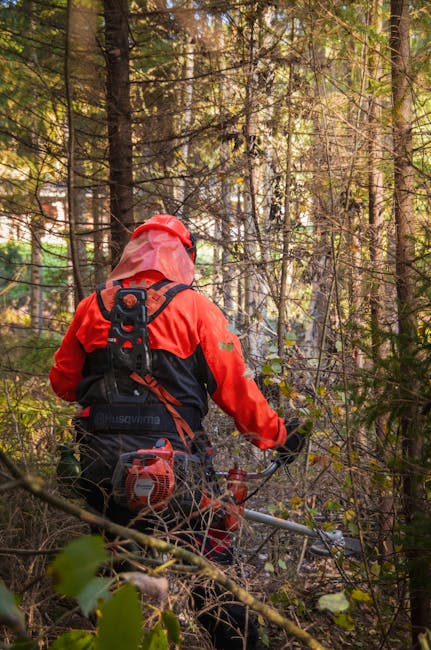
Emergency garden clearance gardeners in Blackfriars same day

If your outdoor space has tipped from "needs a tidy" into "this needs sorting today," you are not alone. Broken branches after a windy night, overgrown ivy climbing everywhere, dumped bags of waste, a blocked path, or a garden that has become unsafe for children, tenants, or visitors can all create a real headache very quickly. That is where Emergency garden clearance gardeners in Blackfriars same day become genuinely useful: fast, practical help that restores order without the usual wait.
In a busy part of London, speed matters, but so does good judgement. A proper same-day clearance is not just a rush job with a few bin bags. Done well, it is a focused, well-organised service that removes hazards, protects plants and property where possible, and leaves the space usable again. This guide explains how it works, what to expect, what to avoid, and how to decide whether same-day help is the right move for your situation.
Why Emergency garden clearance gardeners in Blackfriars same day Matters
Garden emergencies tend to arrive at the worst possible moment. A storm leaves debris scattered across a shared access route. A hedge suddenly becomes overgrown and blocks sightlines. A neglected plot starts attracting pests or making neighbours complain. Or perhaps you are simply facing a handover deadline, and the garden needs to be presentable before an inspection. In those situations, delay can turn a manageable problem into a more expensive one.
Same-day clearance matters because it reduces risk quickly. A clear path lowers the chance of trips and falls. Removing piled branches and waste can reduce fire risk and stop damp, decay, or pests from making themselves at home. For landlords, agents, and property managers, it can also help keep outdoor areas usable and tidy for viewings, tenants, or compliance checks. Let's face it, a messy garden can make a property feel neglected even when the rest of the place is fine.
Blackfriars also has its own practical quirks. Access can be tight. Rear entrances may be narrow. Waste may need to be handled carefully so it does not spill into communal areas. That is why local experience matters. A team used to working in central London usually knows how to work efficiently without disturbing neighbours or creating extra mess along the way.
Practical takeaway: if the garden has become unsafe, inaccessible, or visually unmanageable, same-day clearance is often less about aesthetics and more about restoring control fast.
For related seasonal issues, you may also find useful guidance in safeguarding your garden against harsh weather conditions and revitalising a neglected garden.
How Emergency garden clearance gardeners in Blackfriars same day Works
The process is usually straightforward, but the best results come from a clear plan. A proper same-day service typically starts with a quick assessment of the job: what needs removing, what should stay, where access is available, and whether there are any hazards such as unstable branches, slippery surfaces, hidden debris, or sharp waste.
Once the scope is understood, the team can prioritise. The first aim is safety. That may mean removing broken limbs, cutting back a blocked path, clearing dumped rubbish, or lifting compacted waste from a small front or rear garden. After that, the team will usually move to tidying, sweeping, bagging, and loading everything for disposal.
In our experience, the best emergency clearances are not chaotic. They are calm, methodical, and a little unglamorous. A good crew gets in, clears the problem areas, checks the site again for anything sharp or left behind, and leaves the space clean enough that you can breathe properly again. Sometimes that alone feels like a small miracle on a Monday morning.
If the overgrowth includes hedges, climbers, or stubborn ivy, you may need more than a basic sweep. For example, mature ivy can grip walls, fences, and other structures, so a careful removal approach matters. If that sounds familiar, the techniques discussed in natural methods to remove English ivy can help you understand why patience and technique often beat brute force.
Some jobs also overlap with other services. A garden with overgrown edges might benefit from hedge trimming in Blackfriars, while a space cluttered with fallen material after a storm may also need attention from a team that understands tree surgery and safe branch removal.
Key Benefits and Practical Advantages
Same-day garden clearance is valuable for reasons that go beyond speed. Yes, speed is the headline. But the real benefit is getting the space back under control before the problem spreads.
- Immediate safety improvements: clear paths, fewer slips, less chance of injury from loose branches, broken pots, or hidden debris.
- Reduced stress: you do not have to stare at the mess for another week wondering who is going to deal with it.
- Better first impressions: useful for rentals, sales, inspections, or visitors.
- Protection for surrounding surfaces: prompt removal can help prevent staining on patios, decking, or fencing.
- Waste handled properly: green waste, mixed waste, and bulky garden material can be separated and removed in an organised way.
- Flexible response: useful when a regular maintenance visit simply would not be fast enough.
Another practical advantage is that emergency clearance can stop a small issue from becoming a bigger one. A blocked drain area, for example, may not seem dramatic at first. But if leaves and cuttings are left to rot, you can get damp smells, standing water, or a garden that turns into a slippery patch after a bit of rain. London weather does love a surprise, doesn't it?
It can also help prepare a property for follow-up work. Once the clutter is removed, it is much easier to see whether the next step should be lawn care, patio cleaning, landscaping, or something structural like fencing.
For ongoing upkeep after the emergency is solved, you might look at garden maintenance, lawn care, or patio cleaning depending on what the site needs next.
Who This Is For and When It Makes Sense
Same-day clearance is not only for dramatic storm damage. It suits a wide range of people and situations:
- Homeowners facing sudden overgrowth, broken branches, or garden waste after bad weather.
- Landlords and letting agents who need an exterior space made safe and presentable before a viewing or inventory.
- Property managers dealing with communal gardens, boundary issues, or access routes that must be cleared quickly.
- Businesses with outdoor frontage or rear spaces that must remain tidy and safe for staff or customers.
- Families who need children's play areas cleared of hazards fast.
- Pet owners who cannot let a hazardous or cluttered space remain in use.
It makes sense when the garden is no longer just untidy. A few weeds are annoying. A path covered in branches is a different story. A large pile of waste, a collapsed fence panel, or an access gate blocked by debris can all justify urgent action. If the issue is making the garden unusable or risky, same-day help is usually reasonable.
If your outdoor space also needs to become more manageable long term, the ideas in budget-friendly low-maintenance garden ideas may help you prevent the same scramble next time.
Step-by-Step Guidance
If you are booking emergency clearance for the first time, keep the process simple. The fewer surprises, the better. Here is a practical way to approach it.
- Identify the urgent issue. Is it waste, storm debris, overgrowth, access problems, or a mix of several things?
- Take a quick look at access. Can a team reach the garden easily, or will they need side access, rear entry, or careful manoeuvring through communal areas?
- Flag hazards. Mention anything sharp, broken, unstable, wet, or potentially dangerous. This saves time and keeps everyone safer.
- Explain what should stay. If there are plants, pots, tools, or furniture you want preserved, point them out before work starts.
- Ask what is included. Clearance can mean different things: cutting back growth, lifting waste, bagging material, loading it away, or a full tidy-down.
- Agree the priority areas. A clear front path or rear exit may matter more than every corner being perfect on the first visit.
- Check the finish. Once the work is done, walk the site if possible. Make sure the priority issues are properly resolved.
A small but important point: take a quick phone photo before the work begins. Not because you expect trouble, but because it helps everyone compare the before-and-after state. It keeps things clear and avoids that awkward "was that branch there already?" moment. We've all been there.
If the job involves dense vegetation or plants you want to preserve, the articles on vertical gardening and container gardening basics can be a helpful reference for thinking about what is worth keeping versus clearing.
Expert Tips for Better Results
Same-day clearance works best when you help the team help you. That sounds obvious, but a little preparation makes a real difference.
- Clear the access route before the team arrives. Move cars, bins, bikes, or lightweight planters if you can do so safely.
- Separate keep items from waste. Put anything you want saved in one visible area.
- Tell the team about shared boundaries. In Blackfriars, that may mean walls, fences, shared gates, or communal courtyards.
- Ask for selective pruning if needed. Not everything has to be stripped back brutally. Sometimes a measured cut is better.
- Think about the next stage. If the garden is heading toward replanting or redesign, mention that before work starts.
Another sensible tip is to consider whether the clearance should be paired with a longer-term fix. A garden repeatedly choked by fast-growing hedges might need structured trimming rather than periodic emergency clearances. Likewise, persistent ivy or climbers may need a plan, not just a one-off removal. For that, the guidance on fast-growing hedges and evergreen climbers for shade is surprisingly useful.
And if you like a more considered garden style, you can think beyond clearance entirely. A calmer layout, a small seating area, or a simpler planting scheme can reduce future pressure. The ideas in crafting inviting garden seating areas and zen garden ideas for peaceful outdoor spaces are worth a look.
Common Mistakes to Avoid
When people rush an emergency clear-up, the same few mistakes tend to show up again and again. Avoiding them saves time, money, and hassle.
- Only describing the mess vaguely. "The garden is bad" is less useful than "there's storm debris, one broken fence panel, and a blocked path."
- Forgetting about hidden waste. Things buried under leaves or growth can include glass, sharp wire, or rotten timber.
- Assuming everything can be removed instantly. Some jobs need care around roots, masonry, or shared boundaries.
- Ignoring the disposal side. Clearance is not complete if the waste just gets moved into another corner.
- Skipping the follow-up plan. Without a tidy-up strategy, the same mess can return very quickly.
A particularly common issue is asking for a full clear-out when you really need a selective cut and clean. That can lead to over-pruning or accidental damage. If you are unsure, ask for the approach to be explained plainly before work starts. Good gardeners should not mind that question. In fact, they should welcome it.
For gardens with persistent weeds, a dedicated plan helps more than a one-time blitz. The article on weed control tips for a pristine garden is useful for preventing the whole space from slipping back into chaos again.
Tools, Resources and Recommendations
Emergency clearance teams usually rely on a mix of hand tools, cutting tools, transport gear, and safety equipment. The exact kit depends on the job, but a few basics matter almost every time:
- Heavy-duty gloves for handling thorny or rough material.
- Secateurs and loppers for small to medium growth.
- Pruning saws for thicker branches or stubborn stems.
- Tarps and sacks for collecting and moving waste efficiently.
- Wheelbarrows or load carriers for moving heavy material without tearing up the garden.
- Eye protection and sturdy footwear when cutting or lifting awkward debris.
From a homeowner's perspective, it helps to keep a few basics on hand too. A pair of gloves, a rake, a broom, and strong refuse bags can handle minor issues before they become major ones. If you are building a practical kit for general upkeep, essential gardening tools every outdoor enthusiast should own is a straightforward guide.
If the job is part of a larger garden recovery, you might also explore gardening services, landscaping, or fencing once the immediate clearance is done. That is often the sensible next step, not the last one.
Law, Compliance, Standards, or Best Practice
Garden clearance can touch on safety, waste handling, shared access, and neighbour relations, so best practice matters. The details vary by situation, but a careful team should work in a way that is safe, tidy, and respectful of the property and surrounding area.
In practical terms, that means using safe manual handling, avoiding unnecessary damage to plants or structures, and managing waste responsibly. If the job involves larger branches, unstable material, or awkward access, it should be approached with proper care rather than speed alone. A rushed job that leaves hazards behind is not actually a good job.
For customers, it is sensible to ask about public liability cover, safe working methods, and how waste is taken away. You do not need a lecture. Just straightforward answers. The page on insurance and safety is a useful place to understand that side of things more clearly, while health and safety policy gives a clearer sense of how a professional operation thinks about risk.
There are also wider business expectations worth knowing about. Service terms, payment handling, and complaint processes should be clear before the work starts. That sounds basic, but in a rushed situation people sometimes skip the details. If you prefer to read through the practical side first, terms and conditions, payment and security, and complaints procedure are all sensible references.
For residents and landlords, it also helps to remember that neighbours share the benefits of a safe, tidy boundary. That is not a legal lecture, just common sense. Keep access clear, avoid dumping waste in communal areas, and let people know if noisy cutting or loading will happen. A little courtesy goes a long way, especially on a tight London street.
Options, Methods, or Comparison Table
Not every garden problem needs the same response. Here is a simple comparison to help you decide what kind of help makes sense.
| Approach | Best for | Typical speed | Notes |
|---|---|---|---|
| Same-day emergency clearance | Unsafe, blocked, or heavily cluttered gardens | Fastest | Best when you need immediate restoration of access or safety |
| Scheduled clearance visit | Large but non-urgent overgrowth or waste | Moderate | Useful when the problem is annoying rather than urgent |
| Targeted pruning or trimming | Specific growth issues such as hedges, climbers, or ivy | Fast to moderate | Good when most of the garden is fine and only certain areas need work |
| Full garden restoration | Severely neglected gardens | Longer | Often the best route for long-term results, but not always same-day |
To be fair, most real jobs sit somewhere between these options. A front path may need same-day clearance, while the back garden might later need a more considered restoration. That is normal. It is rarely one thing only.
If the main issue is neglected growth rather than debris, the guide to fresh start ideas for a neglected garden may be a better fit than a pure clearance mindset.
Case Study or Real-World Example
Here is a realistic example based on the kind of work that often comes up in central London. A small courtyard garden behind a Blackfriars property had become difficult to use after a windy spell. A few branches had fallen, ivy had started spreading across one boundary, and bags of old plant waste were sitting in the corner. Nothing dramatic on its own. But together, it made the space awkward, untidy, and slightly unsafe.
The priority was to reopen the access path, remove loose debris, clear the waste pile, and trim back the worst of the overgrowth without stripping the garden bare. The team had to work carefully because the space was tight and the neighbours were close by. A full redesign would come later, if needed. Right now, the aim was just to make the area usable again.
What made the difference was the order of work: clear the access, remove the risky material first, sort the waste, and only then finish with a proper tidy. The garden did not become "perfect" in one go, and that was fine. It became safe, clean, and workable. That is what most people actually need when they call for urgent help.
Afterwards, the owner chose a simpler planting layout and made a note to keep on top of climbers and seasonal debris. A small change, but it reduced future stress. Sometimes that's the real win.
Practical Checklist
Use this quick checklist before booking or during the first phone call:
- Identify the urgent problem clearly.
- Note any safety hazards, especially broken glass, sharp objects, or unstable branches.
- Check whether access is through a side gate, rear alley, communal area, or inside a property.
- Decide what must stay in the garden.
- Confirm whether you need clearance only or clearance plus trimming/pruning.
- Ask how waste will be removed and disposed of.
- Make sure pets and children are kept away during the work.
- Ask about insurance, safety, and what happens if unexpected issues are found.
- Take a few before photos for your own reference.
- Plan the next step once the emergency is resolved, such as maintenance or tidy-up work.
If you want a better long-term setup after the immediate mess is gone, the pages on lawn mowing and lawn care can help keep the space easier to manage.
Get a free quote today and see how much you can save.
Conclusion
Emergency clearance is not really about drama. It is about restoring calm when the garden has crossed the line from messy to urgent. In Blackfriars, where access can be tight and expectations are high, same-day help gives you a practical way to deal with hazards, clear clutter, and get the space back under control without waiting around.
The best results usually come from clear communication, realistic expectations, and a team that works carefully rather than hurriedly. If you are dealing with storm debris, overgrowth, blocked access, or a garden that just cannot wait another day, swift clearance can make an immediate difference. And honestly, the relief afterwards is often bigger than people expect.
One good visit can reset the whole feel of a property. Clean path, clear ground, fresh air. That's a better start than most people realise.
Frequently Asked Questions
What counts as an emergency garden clearance?
An emergency clearance usually means the garden has become unsafe, blocked, inaccessible, or heavily cluttered and needs fast attention. Common examples include storm debris, fallen branches, dumped waste, or overgrowth blocking a path.
Can same-day garden clearance really happen in Blackfriars?
Yes, if the job size, access, and scheduling allow it. Smaller or medium-sized clearances are often the easiest to handle on the same day, especially when the issue is clearly described from the start.
What should I tell the gardeners before they arrive?
Tell them what needs clearing, what should stay, where the access points are, and whether there are any hazards. If there are pets, children, shared spaces, or tight entrances, mention those too.
Will emergency clearance include waste removal?
It often does, but not every job is identical. Some teams include loading and removal as part of the service, while others may scope the job differently. It is always worth checking before booking.
Is same-day clearance only for storm damage?
No. It can also be useful for overgrown gardens, fallen waste, unsafe access routes, landlord handovers, urgent inspections, and gardens that have simply become unmanageable.
How do I know whether I need clearance or hedge trimming?
If the main problem is clutter, debris, or blocked ground space, clearance is usually the better fit. If the issue is mainly overgrown hedges, climbers, or boundary growth, a trimming-focused visit may be more appropriate.
What happens if the team finds hidden hazards?
A careful team should stop and assess anything unexpected, such as sharp waste, unstable branches, or damaged fencing. Good communication matters here, because not every issue can be solved the same way.
Are emergency garden clearance services safe for pets and children?
They can be, but only if people and pets are kept away from the work area while clearance is underway. Tools, moving waste, and loose debris make the area temporarily unsuitable for normal use.
How much does same-day garden clearance cost?
Prices vary depending on access, size, waste volume, urgency, and whether cutting or specialist removal is involved. The fairest way to get a sense of cost is to request a quote based on the actual job rather than guessing from the name alone.
Do I need to be at home during the clearance?
Often, yes, at least at the start, so you can explain the priorities and point out anything that must be kept. In some cases, arrangements can be made differently, but that depends on access and the job details.
What if my garden needs more than a clearance?
That is quite common. Once the urgent mess is gone, the next step may be maintenance, lawn care, landscaping, or boundary work. Clearing the space first simply makes those later decisions easier.
How can I reduce the chance of needing another emergency clearance?
Regular maintenance helps a lot. Light pruning, seasonal tidying, weed control, and prompt removal of waste stop problems building up. A simpler garden layout can also make a big difference over time.